Trains & Permits
For the same journey, road and rail fail in completely different ways
A train is slow to book and hard to change but arrives roughly when it says; a road journey is available on demand and vulnerable to everything between the two ends of it.
By Manish Trivedi4 min read
The two systems have opposite bottlenecks
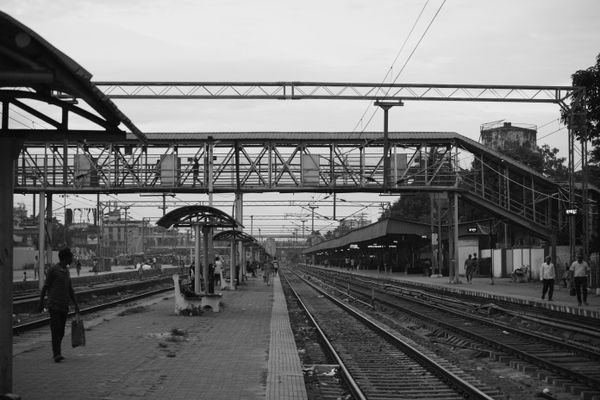
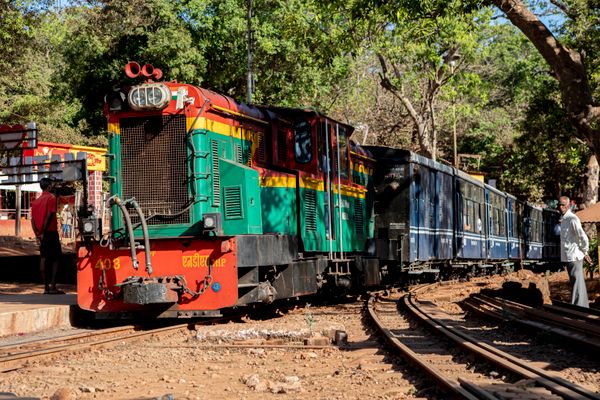
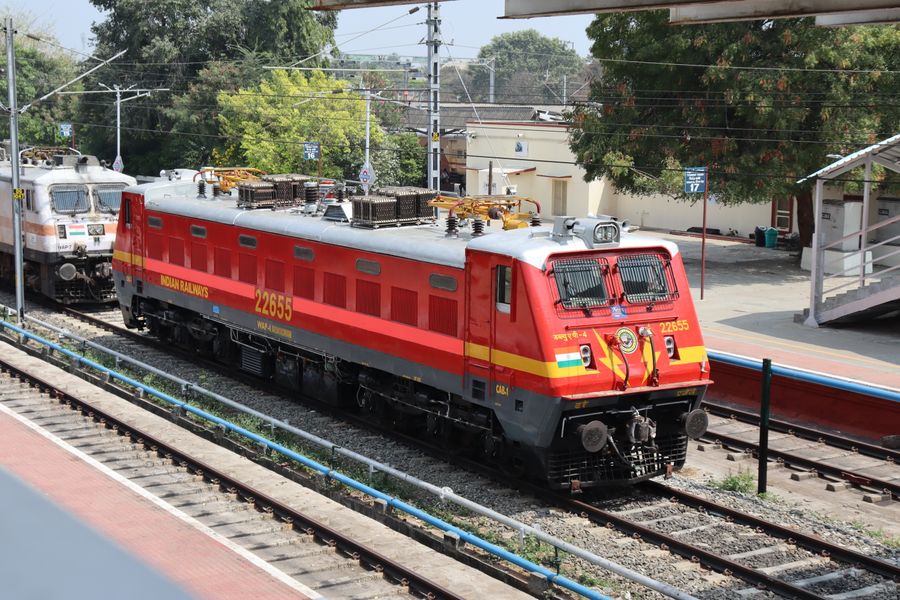
On the Indian railways the scarce thing is a reserved berth. Capacity on a given train is fixed, demand routinely exceeds it, and the entire booking apparatus exists to allocate a limited number of places among more people than can have them. Once you hold a confirmed reservation, the journey itself is largely a solved problem.
On the road the scarce thing is time. A seat is nearly always available at short notice, on a bus, in a shared vehicle or in a hired car, so the question is never whether you can go but how long it will take and how confident anyone can be about that number.
That is the fundamental trade, and most disagreements about which is better are really about which failure mode the traveller minds more. Being unable to book is a different kind of problem from arriving three hours late, and different trips have different tolerances.
Rail is more predictable than its reputation suggests
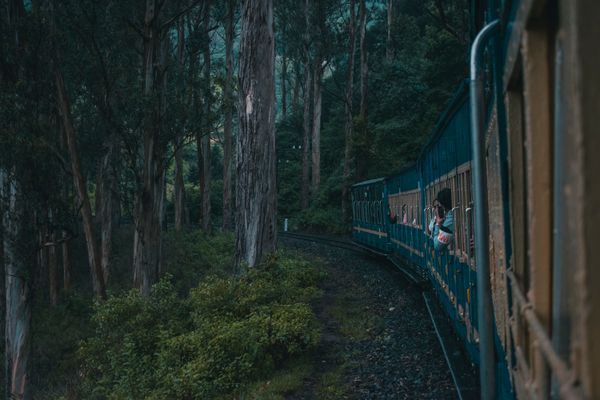
Long-distance Indian trains do run late, sometimes substantially, and winter fog on the northern network is a genuine seasonal disruption. Outside those conditions, a train on a mainline route is running on a dedicated corridor with signalling and priority rules, and it is not affected by a lorry breakdown or a market day in a town on the way.
The overnight journey is where rail wins decisively. A sleeper berth converts travelling time into sleeping time, arrives in the morning, and costs a night’s accommodation nowhere in the calculation. No road equivalent does that as comfortably, whatever the marketing on the side of a coach says.
What rail cannot do is take you to a place without a station or change its mind about where it is going. The network is dense but it is a network, and the last stretch to a great many destinations is a road journey regardless of how you covered the first four hundred kilometres.
Road buys flexibility and pays for it in variance
A car or a taxi goes door to door, stops where you want, carries luggage without argument and can be arranged the same morning. For a group of three or four the economics stop looking absurd, and for a route through several places in one day it is the only sensible tool.
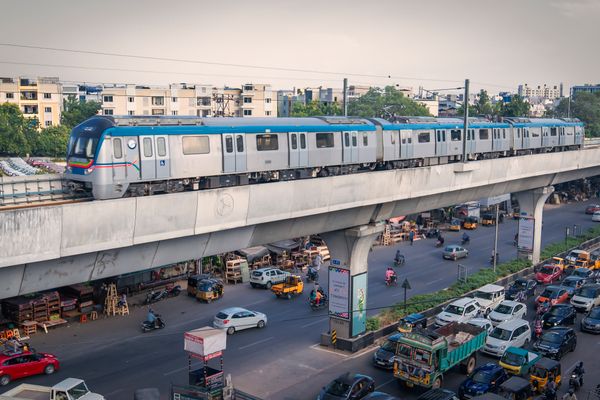
The cost is that a road journey is exposed to everything along it: urban congestion at both ends, roadworks, a level crossing, a religious procession, a market spilling into the carriageway, weather, and the general condition of the surface. Any of these can add an hour, and they compound rather than cancelling out.
This is why experienced travellers quote road journeys in hours with a margin rather than in kilometres. A driver saying six hours means six good hours, and the honest planning number for a full day of driving is usually rather less distance than a map suggests is comfortable.
Night travel is where the choice matters most
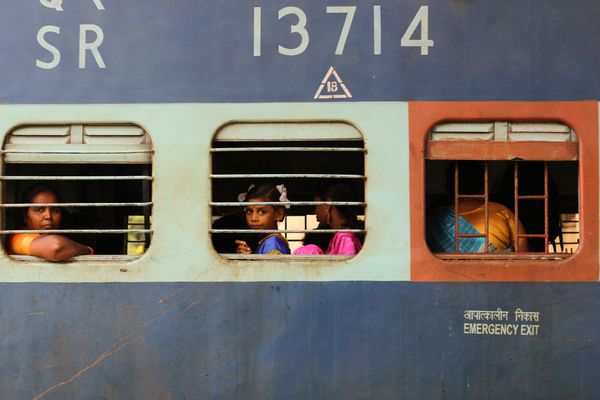
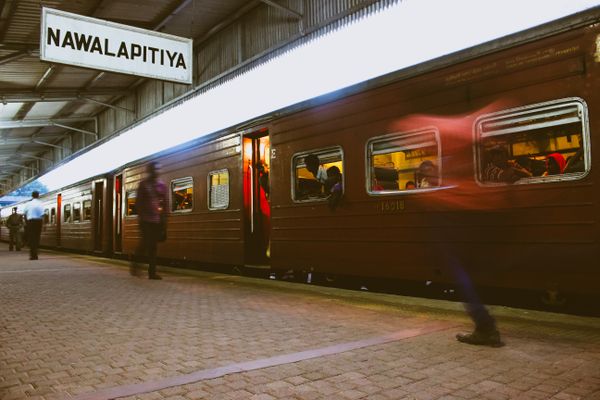
An overnight train is the standard way to cover several hundred kilometres in India and it works well, with the caveat that arrival times in the small hours are common and a delay can leave you at an unfamiliar station at an awkward moment. Booking in advance is essential in busy periods.
An overnight bus covers the same ground and is available later, but a sleeper coach on an Indian highway is a different experience from a berth on rails, with more movement, more noise and a much stronger dependence on the driver and the road. Some people sleep on them and some emphatically do not.
Driving through the night is the option with the worst risk profile, and it is worth saying plainly. Unlit highways shared with slow and sometimes unlit vehicles, animals on the road and tired drivers are a bad combination. Where night driving can be avoided it generally should be.
Choosing between them for a specific leg
Long, straight, well-served corridors between major cities favour rail heavily: fast trains, frequent services, big stations at both ends and a journey that is not much affected by anything local. On those routes the train is usually the right answer unless the booking has already gone.
Short hops, hill routes, journeys with several stops and anywhere off the network favour road. So do late decisions, since the road option remains available when the train has been full for a fortnight. And so does a group, because the per-head arithmetic changes once a vehicle is shared.
The mixed approach is often best and is underused. Take the train for the long haul and hire a vehicle for the last leg, rather than forcing one mode to do the whole trip. Indian transport is built as an interchange system, and using it that way removes most of the friction.
Common questions
Which is more reliable for catching a flight?
Neither should be cut fine, but a train on a long route with a several-hour buffer is usually the steadier bet, since it is not exposed to city traffic until the very end. Whatever you choose, arrive in the departure city the night before if the flight is not one you can miss.
Is a private sleeper bus a reasonable substitute for a train?
It covers the same ground and is easier to book late, but the ride quality is different and depends heavily on the road and the operator. For one night it is a fair option; for repeated overnight legs, most people find rail considerably less tiring.
Should I hire a car with a driver or drive myself?
Most visitors are better served by hiring the vehicle with a driver, since local driving conventions, road conditions and navigation all take time to learn and the cost difference is smaller than in many countries. Self-drive works best for short, familiar routes rather than long cross-country legs.
Consumer editor, Traveology
Manish covers states, hills, coast & islands and the questions readers actually send in and reads the small print so you do not have to.