Festivals
Holi and Diwali are the hardest weeks of the year to move around India
Two festivals that send a large part of the country home at once absorb the trains, empty the shops and turn ordinary travel days into difficult ones.
By Sofia Almeida4 min read
The country goes home, and it goes home by train
India has a very large internally migrant workforce, and the major festivals are when a great many of those people travel back to their home districts. The effect on the transport system is not a marginal increase in demand; it is a surge concentrated into a few days in each direction, on top of the ordinary load.
Long-distance trains on the main corridors fill the moment the reservation window opens for those dates. Additional special services are run each year to absorb some of it, and they too fill quickly. Air fares on the busy sectors rise well ahead of the dates and stay high through the return wave a few days later.
The return leg catches people out more than the outbound one, because it is less visible in advance. A trip planned around getting somewhere for the festival needs the journey back booked with exactly the same urgency, or it becomes a much longer stay than intended.
The days themselves are not travelling days
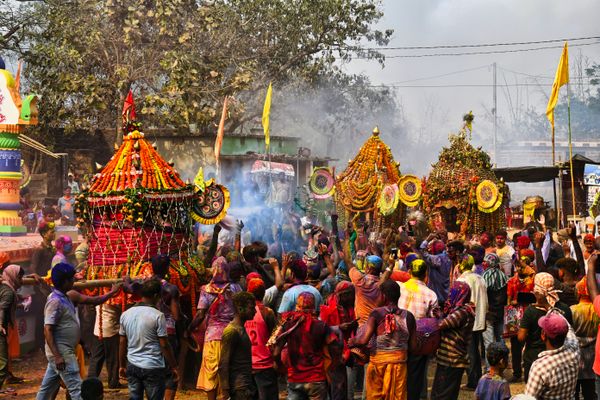
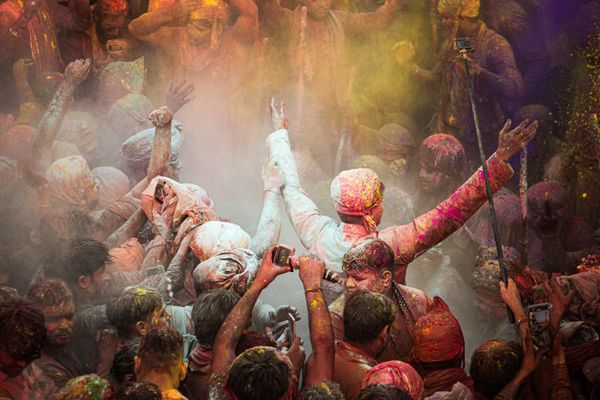
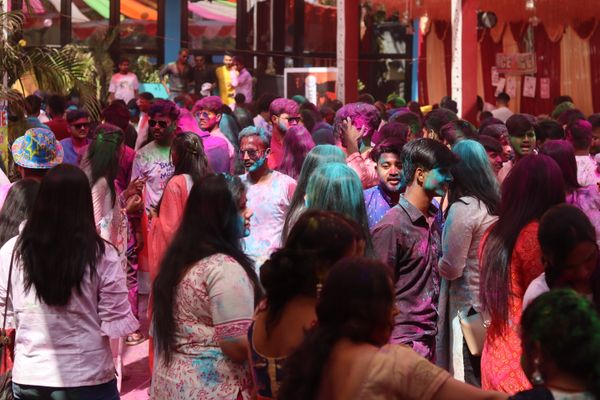
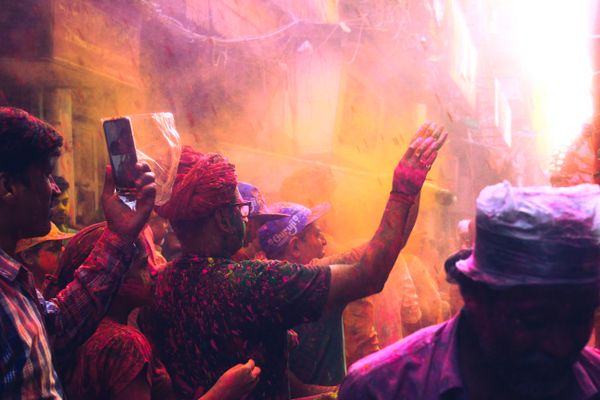
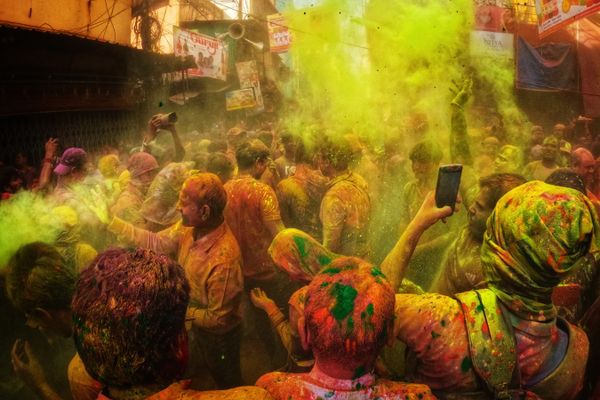
On the main day of Holi, in much of northern and western India, the streets belong to the celebration for the first half of the day. Shops are shut, taxis are scarce, and anyone moving through a public space should expect to be included in what is happening, coloured powder and water included, whether or not they were planning to take part.
That is genuinely enjoyable if you are there for it and genuinely inconvenient if you have a train to catch. Trying to move luggage across a city on that morning is difficult; trying to keep it dry is optimistic. Most experienced travellers either stay put for the day or move the day before.
Diwali works differently, spread over several days with the main night at its centre, and the constraint is more about closure than about the street. Businesses shut for several days, many restaurants close, and services that a visitor assumes will be there simply are not, for a longer stretch than a single public holiday would suggest.
The northern air after Diwali
In northern India the festival falls at the point in the year when the atmosphere begins to trap what is put into it. The nights are lengthening, the ground is cooling, and the same temperature inversion that later produces winter fog is establishing itself, which keeps pollutants near the surface instead of dispersing them.
Into that go firework smoke, the ordinary emissions of very large cities, and the smoke from seasonal agricultural burning in the surrounding states. Air quality in the northern plains deteriorates sharply around this period most years, and it is bad enough that people with respiratory conditions plan around it.
How much each source contributes is genuinely disputed and varies by year, city and week, and the argument about it is annual and heated. What is not disputed is the pattern, and a traveller with a sensitivity — or with children or older relatives along — should factor the season into where they spend those weeks. Anyone with a health condition should be taking that decision with a doctor rather than a travel article.
Being there deliberately is a different trip
All of the above is about travelling through these festivals. Travelling to them is another matter entirely, and both are worth doing at least once, provided the plan matches the intention.
The pattern that works is to arrive several days early, stay in one place, and not attempt to move again until the festival has passed. Somewhere with a courtyard, a rooftop or a street you can watch is worth more than an ambitious list of sights, most of which will be closed anyway.
It also helps to be somewhere the festival is a local event rather than a tourist attraction. The large organised celebrations are impressive; a neighbourhood on the night of Diwali, or a small town on Holi morning, is something else, and generally more memorable.
If you would rather avoid the whole thing
The simplest tactic is to know the dates, which move from year to year with the lunar calendar, and to place your travel days at least several days away from them on both sides. The surge has a shape: outbound in the days before, return in the days after, with a lull in the middle when everybody has arrived.
That lull is an underrated window. The days between the peak travel waves are frequently quiet in places that are otherwise busy, because domestic tourism has gone home rather than gone sightseeing. Monuments, hill towns and beaches can be unusually empty right in the middle of what looks like the worst possible fortnight.
And it is worth accepting a certain amount of disruption as part of travelling in the country at all. Services close, dates shift, a booking falls through because a driver has gone home for the week. That is a reasonable price for being somewhere at the moment it is most itself.
Common questions
How far ahead should I book festival travel?
From the moment the reservation window opens for those dates, in both directions. These are the days when confirmed accommodation and confirmed seats matter most, and waiting lists are least likely to clear because almost nobody cancels.
Is it safe to be out during Holi?
For most people it is a good-natured public celebration, but it is crowded, boisterous and wet, and some people drink. The usual sensible practice applies: go out with company, keep valuables and electronics protected, be prepared to be covered in colour, and leave when you have had enough.
Do trains and flights actually get cancelled?
Cancellation is not the problem; capacity is. Services generally run, and extra ones are added, but everything is full and late booking is expensive or impossible. Fog is a separate matter and belongs to a later part of the winter.
Deputy editor, Traveology
Sofia writes the explanatory pieces on states, hills, coast & islands and reads the small print so you do not have to.