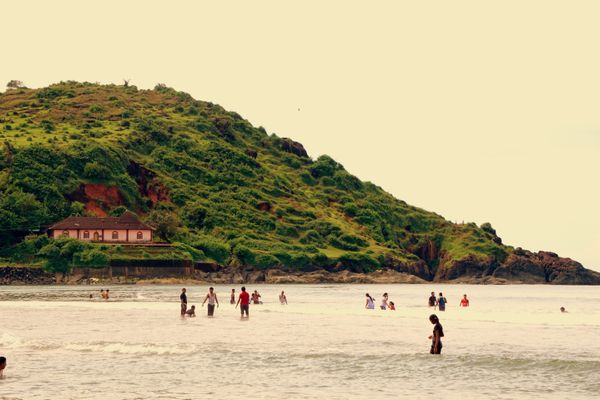
Coast & Islands
Goa’s beaches are rebuilt every year and the shacks tell you which season it is
Temporary structures come down before the monsoon because the sea takes the sand away and brings it back, and the whole tourist calendar follows that cycle.
By Radhika Iyer4 min read
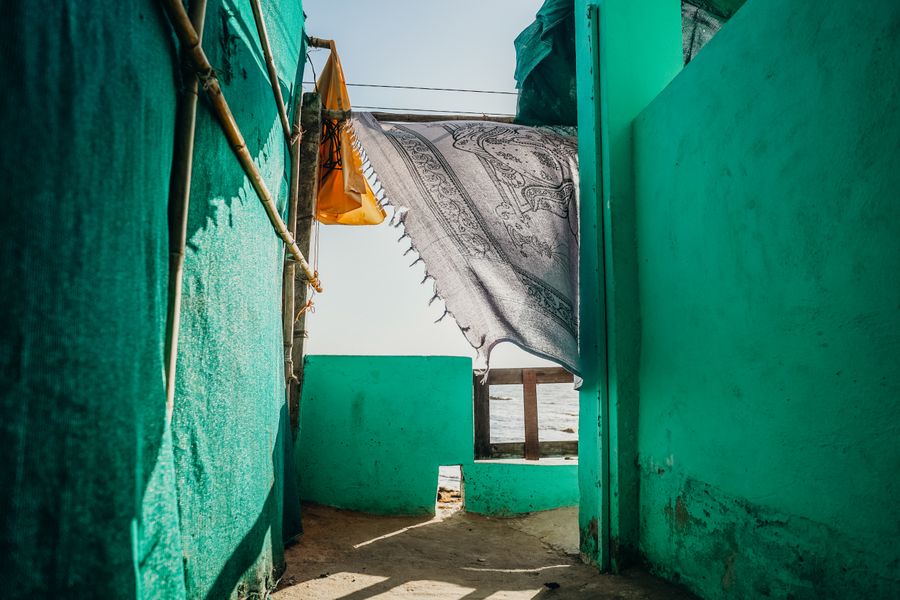
A town that is put up and taken down every year
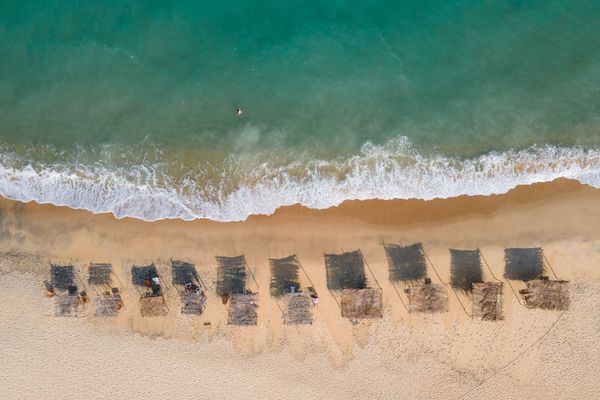
The beach shack is the defining institution of the Goan coast and it is, by design, temporary. Operators are licensed for a season, build lightweight structures on the sand, run them through the dry months and dismantle them before the rains. The stretch of beach that carries twenty establishments in January carries none in July.
This is not merely a regulatory quirk. It is a sensible response to what the sea does to that shoreline every year, and it has shaped the rhythm of the local economy — a concentrated working season, an off season for repairs and rebuilding, and an annual round of licensing that determines who trades where.
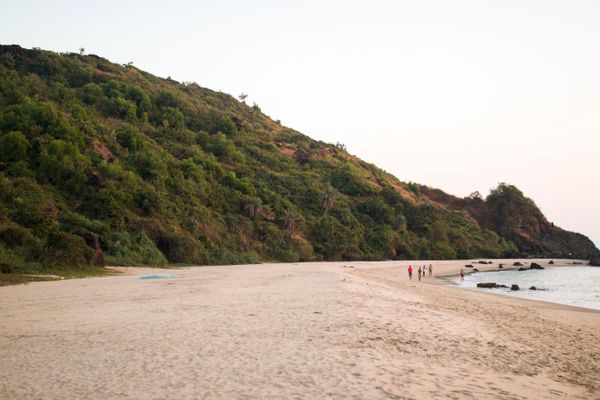
For a visitor it means the beach is a genuinely different place depending on when you see it. Photographs of an empty, wild shoreline and photographs of a busy strip of restaurants can both be of the same sand, four months apart.
The sand moves, and the monsoon is when it moves most
Beaches are not fixed features; they are a balance between sand delivered by rivers and longshore currents and sand removed by waves. Under the short, steep waves of a storm season, sand is pulled off the visible beach and deposited offshore in bars, which is why a monsoon beach is narrower, steeper and often has an abrupt drop at the waterline.
When the swell settles into the longer, gentler pattern of fair weather, the same process runs in reverse and the offshore sand is pushed back up the profile, rebuilding the wide flat beach that people recognise. The cycle is annual and largely self-correcting, though human structures, river changes and sand extraction can interfere with it.
That is the real reason the shacks come down. A lightweight structure standing where the winter beach was will be standing in the surf by July, and building anything permanent there is a fight with the sea that the sea wins.
Three phases rather than two seasons
The high season runs broadly from late November to February, with a sharp peak over the year-end fortnight when prices multiply and the busier beaches are genuinely crowded. Weather in this window is close to perfect: dry, warm, calm sea, low humidity by coastal standards.
Either side of it are the shoulder phases. October and early November are the rebuilding weeks, when the greenery from the rains is still there, the sea is calming, and the shacks are going up in stages, so what is open varies from beach to beach. March and April are hot and humid with the season winding down, quieter and cheaper, with the sea still good.
Then the monsoon proper, from June through September, when the coast is at its greenest and emptiest. Swimming is off the table in most places, but the inland Goa of old churches, spice country, river ferries and paddy fields is at its best, and the price difference is not marginal.
What the sea does when it is rough
The monsoon surf on this coast is powerful, and the same conditions that move all that sand produce strong currents close to shore. Lifeguard services operate on the popular beaches with a flag system indicating where and whether it is safe to enter the water, and during the roughest months entry is restricted or prohibited outright on many stretches.
Those restrictions are not decoration. Drownings on this coast cluster in the rough season and in the hours when nobody is watching, and the flags represent an assessment made that morning by people who can read the water better than a visitor can. A calm-looking gap between breaking waves is often the most dangerous part of the beach rather than the safest.
The corollary for the good season is that the sea being flat does not mean it is uniform. Currents exist in January too, and the reason it feels safe is largely that a service is watching, which is an argument for choosing a patrolled beach rather than an empty one.
The same physics, less infrastructure, up the coast
Goa is one short section of the Konkan, and the coastline continues north into Maharashtra and south into coastal Karnataka with the same monsoon, the same sand cycle and the same annual rhythm. What it does not have in most places is the shack economy, the lifeguard coverage or the volume of accommodation.
That is exactly the appeal for some travellers and exactly the risk for others. A beach with no operators is quieter and cheaper and has nobody watching the water, no obvious place to eat, and limited options if a plan falls apart.
Anyone extending a Goa trip along the coast should therefore plan the practical side more carefully than they would inside Goa itself: where the transport actually goes, whether there is accommodation open in that season, and what the sea does on that particular stretch, which varies more than the map suggests.
Common questions
Is the monsoon a bad time to visit Goa?
It is a bad time for a beach holiday and a good time for almost everything else there. The interior is green, the historic towns are quiet, prices drop substantially, and the coast itself is dramatic to look at. You simply will not be swimming much.
Why do the shacks open at different times?
Because licensing, construction and the state of each individual beach after the rains all vary, so the season starts in stages rather than on a single date. Early in the season it is worth checking what is actually operating on a given beach rather than assuming.
Are the flags on the beach worth paying attention to?
Yes. They reflect a same-day assessment of conditions on that stretch, including currents that are not visible from the sand. Swimming outside the flagged area or on an unpatrolled beach means there is nobody to notice if something goes wrong.
Reporter, Traveology
Radhika has written about states, hills, coast & islands for most of the last decade and is happiest when a piece answers the question completely.