Festivals
The same nine nights are danced in Gujarat and watched in Bengal
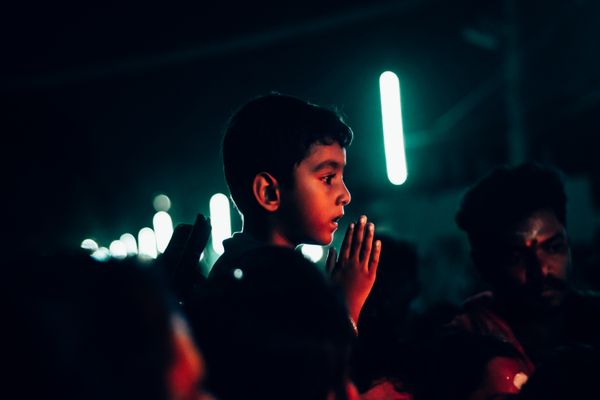
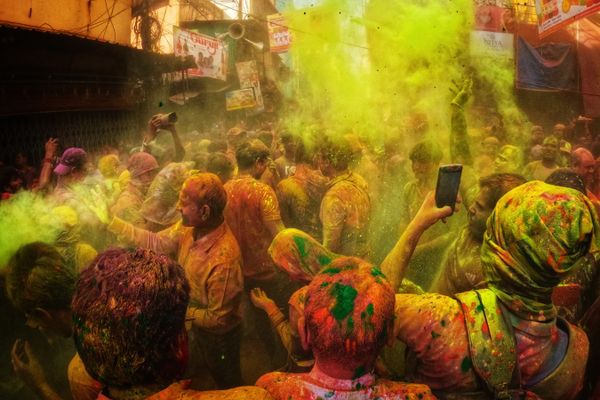
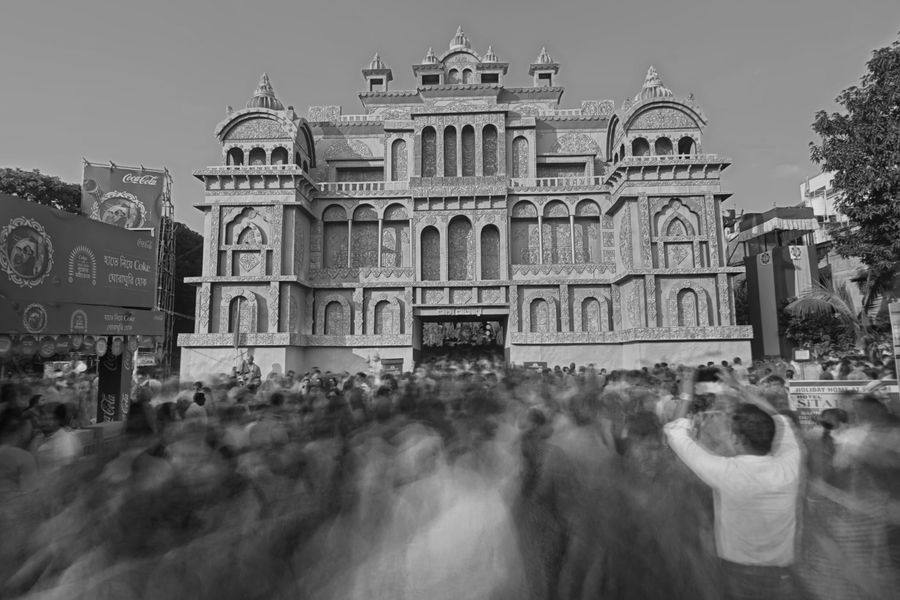
Navratri and the autumn Durga festival occupy the same dates in the calendar, and one of them is built around the entire population dancing while the other is built around going to look at something.
By Sofia Almeida3 min read
One set of dates, two entirely different festivals
The autumn nine nights are observed across much of India, and the form the observance takes varies so widely that people from two states can discuss the same festival for a while before realising they are describing different activities.
In Gujarat and among Gujarati communities elsewhere, the nights are for garba and dandiya — mass participatory dancing that begins late and continues for hours, in grounds, in society compounds and in temple courtyards. Participation is the whole event, and a person who attends without dancing has essentially watched a rehearsal.
The point of comparison matters because it changes what a visitor should do. Turning up as a spectator to a festival of spectacle makes sense; turning up as a spectator to a festival of participation means standing at the edge of something you were invited into.
The dance is a circle around a light
Garba is danced in concentric circles moving around a central object, traditionally a perforated earthen pot with a lamp inside it, which is the image the form takes its meaning from: the light at the centre and the movement around it.
The basic step is simple and repetitive, which is deliberate, because it has to be learnable by a crowd and sustainable for hours. The tempo builds through the night, and a circle that started as a gentle sway becomes something very fast indeed by the small hours.
Dandiya raas is the related form danced with a pair of short sticks, in pairs or in rows, with the striking of the sticks marking the beat as dancers move past each other. Both are danced to live or recorded music, and the repertoire has absorbed a great deal of modern arrangement without losing the underlying structure.
There is a commercial version and a neighbourhood version
The large organised events are ticketed, held in stadiums or big grounds, professionally lit and amplified, with a passholder crowd and often a dress code. They are a genuine part of the modern festival and they are also a long way from what garba was.
The other version is the one in the compound of a housing society, at a local temple, or on a closed street: no ticket, a much smaller circle, people who see each other every day, and an atmosphere that is closer to a neighbourhood party than a production. Getting into one usually requires knowing somebody who lives there, which is easier to arrange than it sounds.
Both operate under whatever restrictions on amplified sound and late-night operation apply in that year and that city, since these have been the subject of directions from courts and local authorities and have changed repeatedly. The organisers will know the current position.
Learning enough to join in
The entry cost is low. Watch a circle for ten minutes, find the count, and step in at the outer edge where the least experienced dancers are — that is precisely what the outer ring is for, and nobody expects a beginner to be good.
The circle moves in one direction and everybody is going the same way, so the main courtesy is not to reverse and not to cut across the middle. If somebody corrects your step, they’re being helpful rather than critical; this is a form people learn from each other in exactly this way.
Many cities run classes in the weeks before the festival, which fill up with people doing precisely this. It isn’t required, and an hour of instruction beforehand makes the first night considerably more enjoyable.
Practicalities of nine consecutive late nights
These are genuinely late events, often starting when a visitor would be thinking of bed and running until the early hours, and doing several nights in a row is more tiring than the dancing alone suggests. Plan the days around them rather than the other way round.
Dress is traditional at most venues and enthusiastically so at the larger ones, with full skirts and mirror-work for women and kediyu or kurta for men. Clothes can be bought or hired locally in any Gujarati city during the season, and comfortable footwear that can be removed matters more than it sounds because a great deal of garba is danced barefoot.
Getting home at three in the morning is the piece people forget. Transport is stretched at closing time, the roads around a large venue are congested, and having a settled plan for the journey back is worth more than a better position in the circle.
Common questions
Can visitors join the dancing?
At neighbourhood events, generally yes and with encouragement. At large ticketed venues you will need a pass, and the standard on the floor is high enough that beginners tend to stay at the outer edge, which is entirely normal and expected.
Is garba only in Gujarat?
It is Gujarati in origin, and it is danced anywhere with a substantial Gujarati population, which now includes most large Indian cities. Mumbai in particular hosts events on a very large scale during the nine nights.
Do the dates change every year?
Yes, because they follow a lunar reckoning, so the festival shifts within the autumn months from year to year. The specific dates are announced well in advance and are worth checking early, since travel and accommodation in western India tighten considerably during that week.
Deputy editor, Traveology
Sofia writes the explanatory pieces on states, hills, coast & islands and reads the small print so you do not have to.