Trains & Permits
Photography in India is decided site by site, and the sign at the gate is the rule
There is no single national permission covering cameras, so what is allowed depends on who manages the particular place, and the answer at one gate tells you nothing about the next.
By Radhika Iyer4 min read
Permission is local, and it is layered
A camera in India passes through several different regimes in a single day. A protected monument is governed by the archaeological authority responsible for it, a museum by its own institution, a temple by its trust, a wildlife park by the state forest department, and a station or an airport by the operating authority.
These bodies have not harmonised their rules and there is no reason to expect them to. What is freely permitted at one site is charged for at the next and prohibited at the third, and all three positions can be perfectly legitimate.
The consequence is a habit rather than a rule of thumb: read the board at the entrance, and if there is no board, ask somebody who works there. That takes half a minute and avoids the far more awkward conversation that follows a shutter going off in the wrong room.
Monuments and museums
At many protected monuments still photography for personal use is permitted, with separate arrangements for video and for anything that counts as professional equipment. Tripods, lighting and drones are treated differently from a hand-held camera almost everywhere, and permission for them is a paperwork matter rather than something decided at the gate.
Interiors are commonly stricter than exteriors. Where there are wall paintings, flash is usually prohibited outright, and at some sites photography inside a particular chamber is barred entirely while the rest of the complex is open. That distinction is about conservation and about crowd flow, and it is enforced.
Museums vary more than monuments. Some allow phones and not cameras, some allow neither, and a good many permit photography in the galleries but not of specific loaned or sacred objects. Whatever charge applies to video, and whether any permit is needed, is set by the managing authority and changes, so the current position at that ticket counter is the one that counts.
Places of worship are a separate question again
A great many Indian temples prohibit photography inside, and a significant number now prohibit phones on the premises altogether, with deposit counters at the entrance. This is not aimed at visitors in particular; it applies to everyone, and at the larger southern temples it is strictly policed.
Where photography is allowed in a courtyard, it is very often not allowed in the sanctum, and the boundary may not be obvious to somebody unfamiliar with the layout. The safe assumption is that the innermost space is out of bounds until told otherwise.
Mosques, dargahs, gurdwaras and monasteries each have their own conventions, and at all of them the more important restriction is unwritten: people at prayer are not a subject. A courtyard full of worshippers photographs beautifully and photographing it is frequently the wrong thing to do.
The categories where a camera is a real problem
Defence installations, cantonment areas, some ports and certain bridges, tunnels and border infrastructure are places where photography is prohibited on security grounds, and the prohibition is taken seriously. Signs exist but are not always where a visitor will see them, and in sensitive regions the sensible default is not to point a camera at anything with a uniform near it.
Drones are a separate regime entirely, governed nationally as aviation rather than as photography, with registration and airspace rules and blanket restrictions around airports and around many monuments and protected areas. Rules here have changed repeatedly in recent years, so anybody intending to fly one should check the current requirements rather than relying on what was true a season ago.
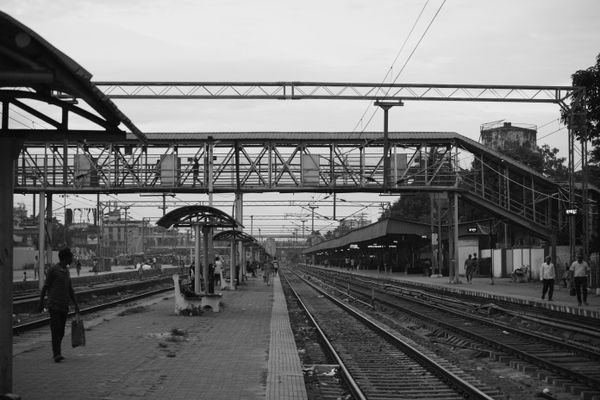
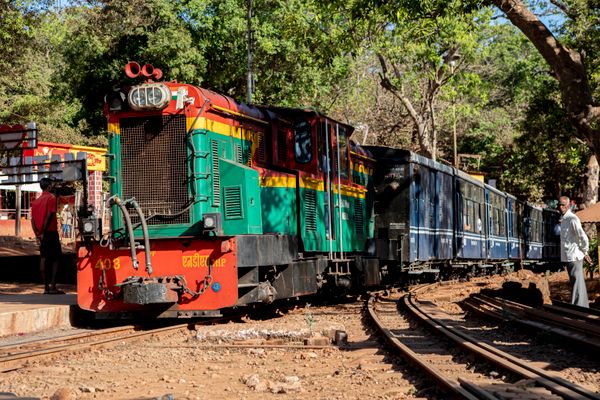
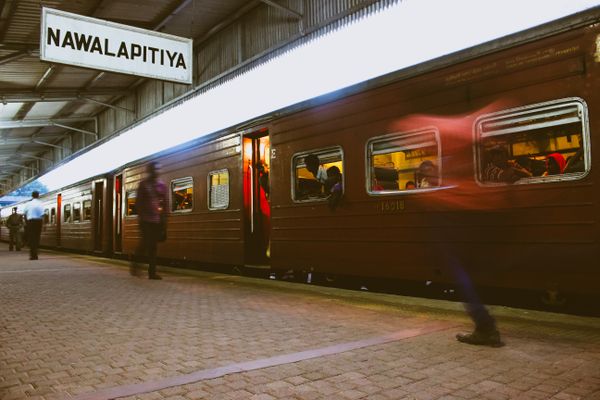
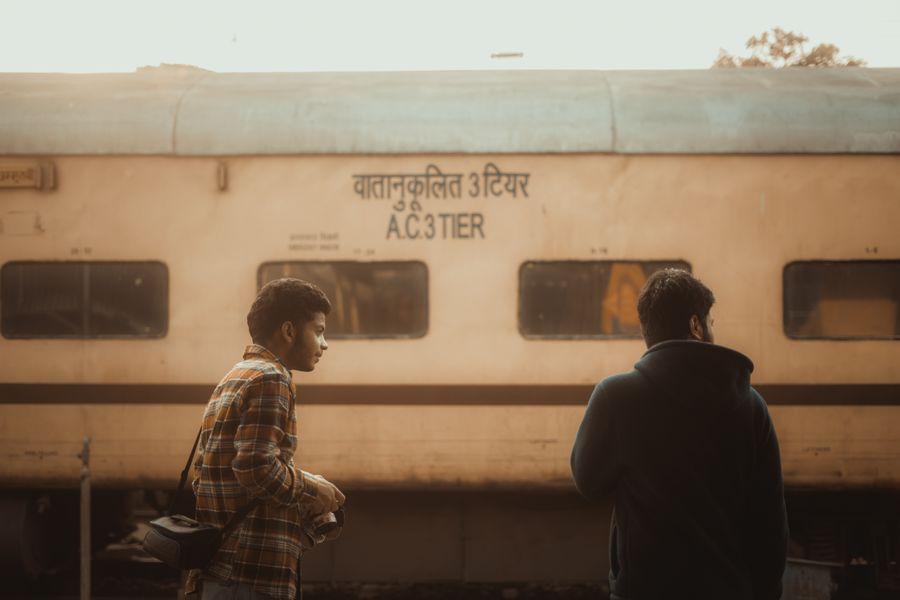
Airports, metro systems and railway premises each have their own position on filming, and it is usually more relaxed than people assume for casual photographs and much less so for anything that looks like a production. If a member of staff asks you to stop, the argument is not worth having.
Photographing people is the part that needs judgement
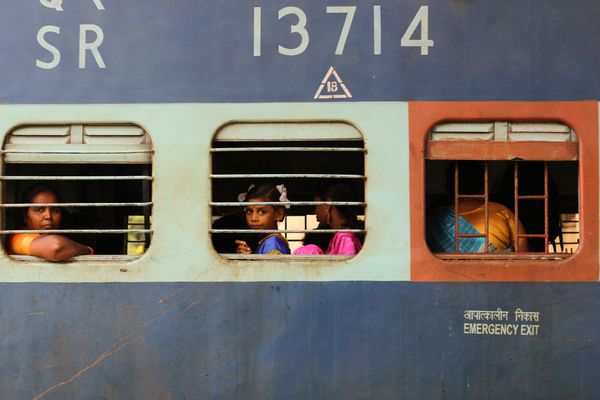
The legal position is one thing and the courtesy is another. Ask, or at least make it obvious what you are doing and give somebody the chance to decline, and accept a refusal without negotiating. A raised eyebrow and a gesture at the camera works across every language barrier in the country.
Certain situations deserve more caution than a casual traveller usually gives them. Photographing children without a parent’s agreement, photographing inside somebody’s home or workplace, and photographing people in circumstances of visible poverty are all worth thinking about twice, because the resulting image benefits you and not them.
In several tribal areas there are specific restrictions on photography, some of them legal and some of them local decisions taken after long experience of being treated as a spectacle. Those restrictions exist for good reasons, they are not obstacles to be got around, and the current rules for the specific area should be checked before travelling there.
Common questions
Is a phone treated differently from a camera?
Often, yes, and not consistently. Some sites that charge for a camera ignore phones entirely, while some temples ban phones precisely because everyone has one. The distinction is usually about enforcement rather than principle, and it is safer to ask than to assume that a phone is exempt.
What about photographing at railway stations?
Casual photography on a platform is common and generally unremarked, but railway property has its own rules and staff can and do object, particularly around signalling, security posts and staff areas. Anything that looks organised — a tripod, lights, a crew — needs permission arranged in advance.
Can you photograph inside a wildlife park?
Usually yes for ordinary cameras, with separate rules for professional filming and for drones, which are banned in and around most protected areas. Charges and conditions are set by the state forest department for each park and are revised periodically, so confirm before travelling with heavy equipment.
Reporter, Traveology
Radhika has written about states, hills, coast & islands for most of the last decade and is happiest when a piece answers the question completely.